

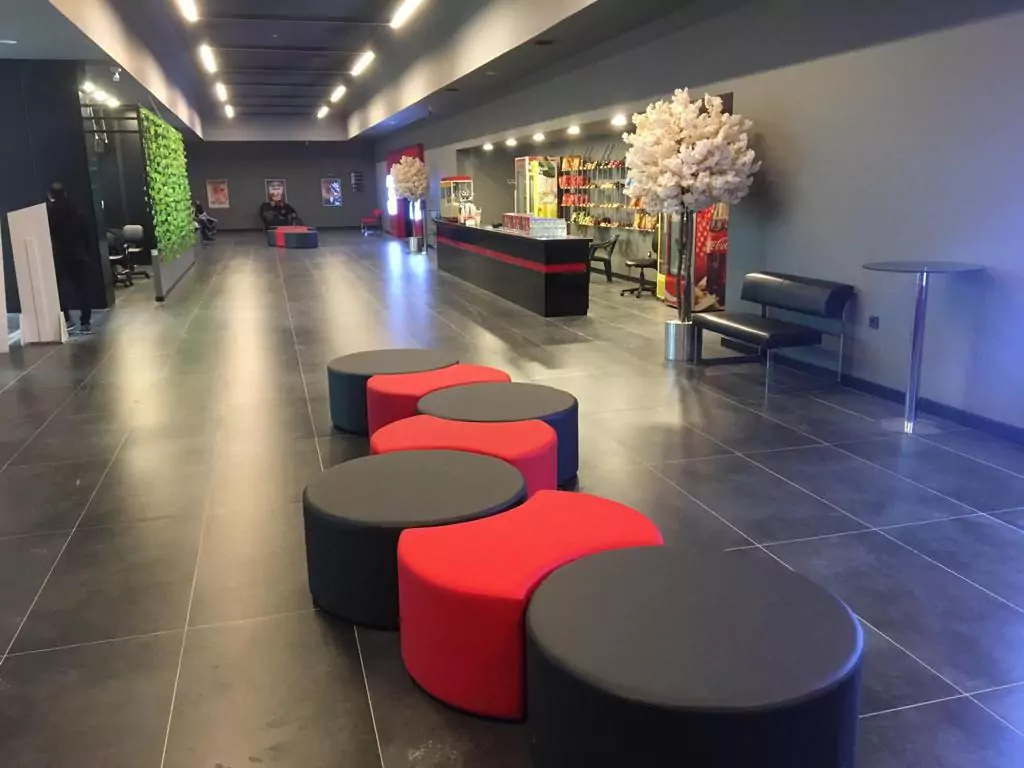
Foyer Chair Project Guide
Foyer Chairs Welcome
Foyer chairs are the first seating experience visitors meet before entering a hall, cinema, theatre, auditorium, office or public venue. They shape the first impression of the space before the main event even begins. A foyer may have a strong reception desk, elegant lighting, clear signage and refined interior design, but if the seating looks weak, uncomfortable or poorly arranged, the entrance area loses quality.
A professional foyer chair should combine comfort, durability, clean design and easy maintenance. Foyer areas are used by different visitors every day. People may wait before a performance, meet others before a conference, sit between cinema sessions, rest in a hotel lobby or use the area as a short-term lounge. For this reason, the chair must be practical, visually suitable and strong enough for repeated public use.
Foyer chair selection should not be based only on shape, color or unit price. Seat comfort, frame strength, upholstery durability, cleaning routine, layout flexibility, traffic flow, space size and long-term maintenance should all be evaluated together. The right foyer seating solution helps the entrance area feel more welcoming, more organized and more professional.
Foyer Chairs for Professional Venues
Professional venues need foyer chairs that support both appearance and function. A foyer is not a secondary space. It is the transition area where visitors wait, meet, prepare and form their first impression of the venue.
A cinema foyer may need durable lounge-style seating for guests waiting between sessions. A theatre foyer may need elegant chairs that match the atmosphere of the performance hall. An auditorium foyer may require practical seating for conferences, ceremonies and public programs. A hotel or office foyer may need a more refined and comfortable seating identity.
A good foyer chair should look suitable for the interior while resisting daily use. It should not feel too heavy, too fragile or difficult to clean. The best solution is the one that matches the real traffic and purpose of the space.
Cinema Foyer Chairs
Cinema foyer chairs are used in waiting areas, ticket zones, lounge corners and concession spaces. Visitors may sit before a movie, wait for friends or rest between screenings. The furniture should support short-term comfort and easy maintenance.
Cinema foyers often have high visitor turnover. Seats may be exposed to food, drinks, dust and frequent contact. This makes upholstery durability, cleanable surfaces and strong frames important.
The design should also match the cinema identity. Standard commercial cinemas may prefer practical and durable seating. Premium cinemas may need more refined lounge chairs, sofas or modular seating. The foyer should support the same quality feeling as the cinema halls.
Theatre Foyer Chairs
Theatre foyer chairs should support the atmosphere of the performance venue. Visitors often spend time in the foyer before the show, during intermission and after the event. The seating should feel elegant, calm and connected to the character of the theatre.
Darker tones, refined upholstery, wooden details or softer forms can help create a suitable theatre foyer atmosphere. However, the chairs must still remain practical for public use. A beautiful chair that wears quickly or is difficult to clean can become a problem in a busy venue.
A theatre foyer chair should not compete with the interior. It should complement the space and make visitors feel that the venue is carefully designed.
Auditorium Foyer Chairs
Auditorium foyers serve many different events, including conferences, lectures, ceremonies, cultural programs and public meetings. The seating must therefore be versatile.
A foyer chair for an auditorium should look professional and remain suitable for different audiences. It should be comfortable enough for waiting, but it does not need to behave like a long-session auditorium seat. Durability, easy movement and clean design are often more important.
For larger auditoriums, seating layout should support circulation. Chairs should not block entrances, registration desks, cloakrooms or emergency routes. The foyer should remain open, organized and easy to navigate.
Conference Foyer Seating
Conference foyers are used for registration, networking, coffee breaks and short waiting periods. Seating in these areas should support conversation and movement.
Single chairs, lounge chairs, compact sofas and modular seating can all be used depending on the size of the foyer. The layout should create small waiting or conversation zones without blocking visitor flow.
Conference foyer chairs should look serious and clean. Neutral colors such as anthracite, dark grey, navy, black, beige and warm brown can support a professional atmosphere. The seating should match the event character and the building identity.
Hotel Lobby and Foyer Chairs
Hotel lobby and foyer chairs should create comfort, hospitality and visual refinement. Guests may sit while checking in, waiting for transport, meeting others or relaxing briefly.
For hotels, the chair is part of the guest experience. It should look welcoming, feel comfortable and match the interior design. Upholstery, frame material, color and form should work with the lobby concept.
Durability is still important. Hotel foyers receive daily use from many guests. The chairs should resist wear, remain cleanable and keep their form over time.
Office Foyer Chairs
Office foyer chairs create the first impression for clients, partners, employees and visitors. These chairs should reflect the company’s identity and support a professional reception area.
Corporate foyer seating may use clean lines, neutral tones and durable upholstery. The seating should be comfortable for short waiting periods and easy to maintain. It should not make the reception area look crowded or informal.
A good office foyer chair supports trust and order. It helps the visitor feel that the company pays attention to details.
Cultural Center Foyer Chairs
Cultural centers often host theatre, concerts, public talks, exhibitions, ceremonies and community events. Their foyers need seating that can serve different audiences and event types.
Foyer chairs in cultural centers should be durable, easy to clean and visually adaptable. Public venues may experience heavy use, so material strength and frame quality are important. Chairs may need to be moved or rearranged depending on the event.
A balanced design works best in these spaces. The seating should look refined enough for cultural events and practical enough for daily public use.
Waiting Area Chairs
Foyer chairs often function as waiting area chairs. In public buildings, clinics, schools, offices, cinemas and event venues, visitors need a comfortable place to sit for short periods.
Waiting area chairs should be easy to clean, stable and space-efficient. The correct model depends on expected traffic, waiting time and interior style. A high-traffic public area may need stronger and simpler chairs. A premium reception area may need softer and more refined seating.
The best waiting area chair balances comfort, durability and visual order.
Lounge-Style Foyer Chairs
Lounge-style foyer chairs create a softer and more welcoming atmosphere. They are suitable for hotels, VIP cinema foyers, theatre lounges, cultural centers, private clubs and premium reception spaces.
These chairs may have wider cushions, softer upholstery and more refined forms. They make the foyer feel less like a corridor and more like a comfortable social area.
However, lounge-style seating should be planned carefully. Large chairs can reduce circulation if the space is limited. The layout should keep the foyer open and easy to move through.
Modular Foyer Seating
Modular foyer seating is useful in flexible spaces. Modules can be arranged in different layouts for events, waiting areas, lounges or public programs.
This type of seating works well in cultural centers, conference venues, schools, hotels and multipurpose buildings. It can create open waiting zones, conversation areas or compact seating blocks.
Modular systems should be stable, durable and easy to clean. They should also remain visually consistent even when rearranged.
Beam Seating for Foyers
Beam seating can be practical for high-traffic foyer and waiting areas. Seats are fixed onto a shared beam structure, creating organized rows with strong stability.
This solution is useful in public buildings, transport areas, healthcare spaces, schools and high-use reception zones. It keeps the seating layout controlled and reduces movement of individual chairs.
Beam seating may not be the softest option, but it can provide strong durability and easy maintenance where public use is intense.
Upholstered Foyer Chairs
Upholstered foyer chairs create a more comfortable and refined appearance. They are suitable for hotels, theatres, auditoriums, offices and premium waiting areas.
Upholstery should be selected according to usage intensity. Fabric can create warmth and softness. Artificial leather can be easier to clean in some environments. Premium materials can support executive or hospitality spaces.
The fabric should resist wear, keep its color and remain suitable for regular cleaning. A beautiful upholstery that wears quickly can make the foyer look old.
Wooden Detail Foyer Chairs
Wooden details can make foyer chairs feel warmer and more architectural. Wooden arms, legs or frame details can support theatre foyers, cultural centers, hotels and refined public interiors.
Wood tone should match the flooring, wall panels, reception desk and lighting. Dark wood can create a more formal and classic atmosphere. Lighter wood can support a modern and natural interior.
Wood should not be used only for appearance. It must resist contact, cleaning and repeated public use.
Metal Frame Foyer Chairs
Metal frame foyer chairs are suitable for high-use areas where strength and stability are important. They can be used in public buildings, waiting areas, conference foyers, schools and cultural centers.
A metal frame can provide durability while keeping the chair visually clean. The design should not feel too industrial unless the interior concept supports it. With suitable upholstery and proportions, metal frame chairs can look modern and professional.
The frame finish should resist scratches and daily contact. Stability is especially important in public-use foyer areas.
Comfort for Short Waiting
Foyer chairs are usually used for short or medium waiting periods. They do not need the same deep comfort as cinema recliners or theatre seats, but they should still feel pleasant.
Seat height, cushion firmness, back support and armrest position affect comfort. A chair that looks elegant but feels uncomfortable can weaken the visitor experience. A chair that is too soft may also lose form quickly in public use.
The best foyer chair provides balanced comfort for waiting, meeting and short rest periods.
Durability in Public Areas
Foyer chairs are exposed to frequent use. Visitors sit, stand, move bags, wait with drinks, touch armrests and sometimes rearrange chairs. This makes durability essential.
Frame strength, upholstery quality, stitching, leg structure and surface resistance should be evaluated. A weak chair may become unstable, scratched or worn quickly.
Durable foyer seating protects the visual quality of the venue and reduces replacement costs.
Cleaning and Maintenance
Foyer chairs should be easy to clean and maintain. Public waiting areas face dust, spills, fabric contact and frequent use. Cleaning practicality should be considered before selecting the model.
Artificial leather may be practical in some areas. Durable fabrics can create a warmer look if they are selected with maintenance in mind. Wooden and metal details should also be easy to wipe and resistant to wear.
Maintenance-friendly foyer chairs help the space remain professional after daily use.
Layout and Visitor Flow
Foyer seating layout is as important as chair selection. The chairs should create useful waiting areas without blocking movement. Visitors must reach entrances, exits, ticket counters, registration desks, elevators, stairs and cloakrooms easily.
Small clusters can support conversation. Linear arrangements can support waiting areas. Modular layouts can create flexible zones. The correct arrangement depends on the size and function of the foyer.
A good foyer layout feels open, organized and welcoming.
Color Planning
Color planning helps foyer chairs connect with the interior design. Neutral colors can support a professional and timeless look. Dark colors can create a more formal and elegant atmosphere. Warmer tones can make the space feel more welcoming.
The chair color should work with flooring, wall panels, lighting, signage and brand identity. In cinemas and theatres, darker tones may connect the foyer with the hall atmosphere. In hotels and offices, softer neutral tones may feel more refined.
Color should also be practical. High-use foyer seating should not show wear too quickly.
Foyer Renovation Projects
Replacing old foyer chairs can improve the first impression of a venue quickly. Worn upholstery, scratched frames, unstable chairs or outdated colors can make a building feel less professional.
Before renovation, the existing layout should be reviewed. Visitor flow, waiting zones, entrance points, reception desks and circulation routes should guide the new seating plan.
A foyer renovation can include new chairs, sofas, modular seating, tables, acoustic elements, lighting coordination and a new color concept.
New Foyer Projects
New foyer projects allow seating to be planned from the beginning. This creates better coordination between interior design, visitor flow, lighting, reception functions and seating type.
If seating is selected too late, the foyer may feel crowded or incomplete. Early planning helps define the right number of chairs, their style, their placement and their connection to the building identity.
Foyer chairs should be treated as part of the visitor experience, not as a final accessory.
European Foyer Projects
European foyer projects often require clean design, durable materials, practical delivery and strong value in relation to quality. Cinemas, theatres, hotels, cultural centers and public buildings need seating that remains professional after repeated use.
Monseat, based in Bulgaria, can support European projects with practical regional delivery, flexible production options and professional seating solutions for public and commercial venues.
For European foyer projects, the best approach is to combine durable construction, clean design, easy maintenance and project-based customization.
Manufacturer-Based Supply
Manufacturer-based foyer chair supply gives project teams better control over details. Chair dimensions, upholstery, colors, frame finish, materials, layout needs and project quantities can be evaluated according to the venue.
This is especially important when many chairs must match in color, finish, comfort and durability. Controlled production supports consistency and reduces project risk.
A professional manufacturer can help create different foyer seating solutions for cinemas, theatres, hotels, auditoriums, offices and cultural centers.
Quality and Price Balance
Foyer chairs should not be selected only by the lowest price. A weak chair can create higher long-term costs through upholstery wear, frame damage, instability, difficult cleaning or early replacement.
The correct approach is to evaluate comfort, durability, maintenance, design suitability and price together. A good foyer chair supports the visitor, protects the venue’s appearance and remains reliable under repeated use.
A strong quality-price balance is especially important in projects where many chairs are required.
Foyer Chair Categories
Professional foyer chair projects may include lounge chairs, upholstered waiting chairs, modular seating, beam seating, hotel lobby chairs, cinema foyer chairs, theatre foyer chairs, auditorium foyer chairs, office reception chairs, cultural center chairs, metal frame chairs and wooden detail chairs.
Each category serves a different purpose. The right selection depends on venue type, visitor traffic, design target, maintenance routine, space size, budget and long-term project value.
Conclusion
Foyer chairs shape the first impression of a venue. The right chair makes the entrance area more welcoming, more organized and more professional. It supports waiting, meeting, short rest periods and visitor flow while protecting the visual identity of the space.
A successful foyer seating project requires durable materials, balanced comfort, easy cleaning, correct layout planning, suitable colors and a strong balance between quality and price. When foyer chairs are selected according to the real conditions of the venue, the result is a more comfortable and more valuable public space.
For professional foyer chair solutions, visit the official website.
Created By : Monseat